A faster, better method for detecting PA in soils
Project leader: Monica
The kauri dieback pathogen, Phytophthora agathidicida (often shortened to PA), survives in soil for years as tough, dormant spores called oospores. These make it extremely hard to detect and control using traditional methods like soil baiting, which are slow, labour-intensive, and often miss low-level or hidden infections.
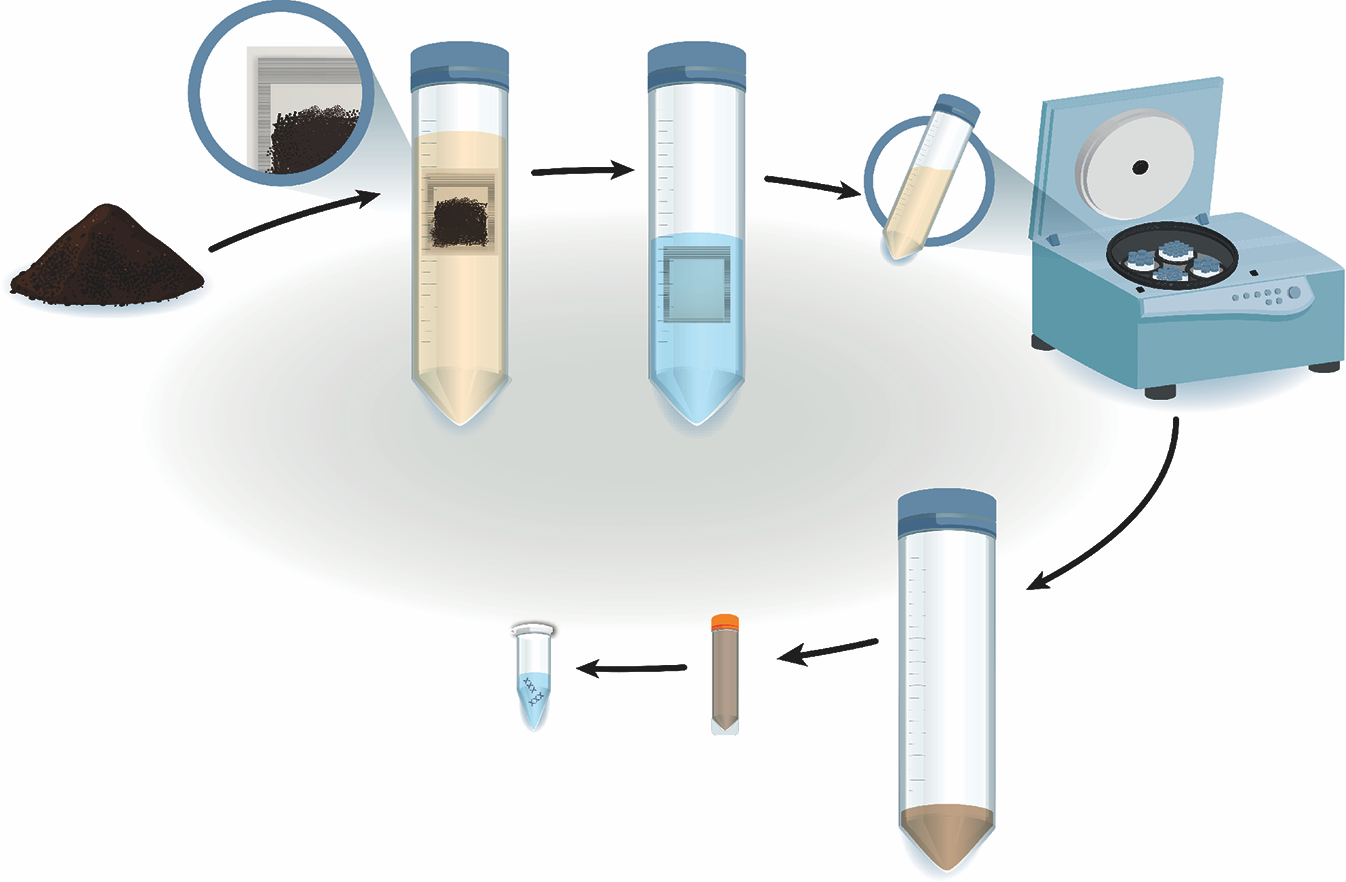
We have developed a PCR-based molecular test that finds PA quickly and accurately, even when it is present at very low levels in soil—something that was never reliably possible before. Three key breakthroughs make our test effective: a better way to concentrate spores from soil (using specialised 'teabags'), improved DNA extraction from these tough spores, and targeting a unique region of the PA genome. Together, these innovations make the test more sensitive and specific, while also being much faster (same-day results instead of weeks) and cheaper (around $85 per sample) than soil baiting methods.
You can read our peer-reviewed paper here: https://journals.asm.org/doi/full/10.1128/spectrum.00135-25
With an added step, our test can also provide quantitative data—not just a yes/no answer, but a precise measure of how much pathogen is present in the sample. This helps identify disease hotspots, monitor changes over time or across seasons, and assess whether treatments are working as intended.
We offer testing at cost on a non-profit basis, in exchange for using the data in our research (such as site details, symptoms, and PA levels—no GPS coordinates or specific tree locations are required, and data can be anonymised if needed). By collecting more data on how soil pathogen loads correlate with disease outcomes over time, we can support more responsive, evidence-based decisions for managing kauri forest health.
If you are interested in having soil tested, please get in touch. We are also happy to provide advice, training, protocols, and shopping lists to agencies or community groups wanting to set up their own testing facilities.